
Reverse Osmosis
RO membranes are used to reduce dissolved substances in suitable applications. Recovery rate, reject water, membrane performance and post-treatment vary between models.
RO, UV, UF, sediment and carbon stages solve different problems. The final purifier should be selected from the actual input water, model specifications and intended use.
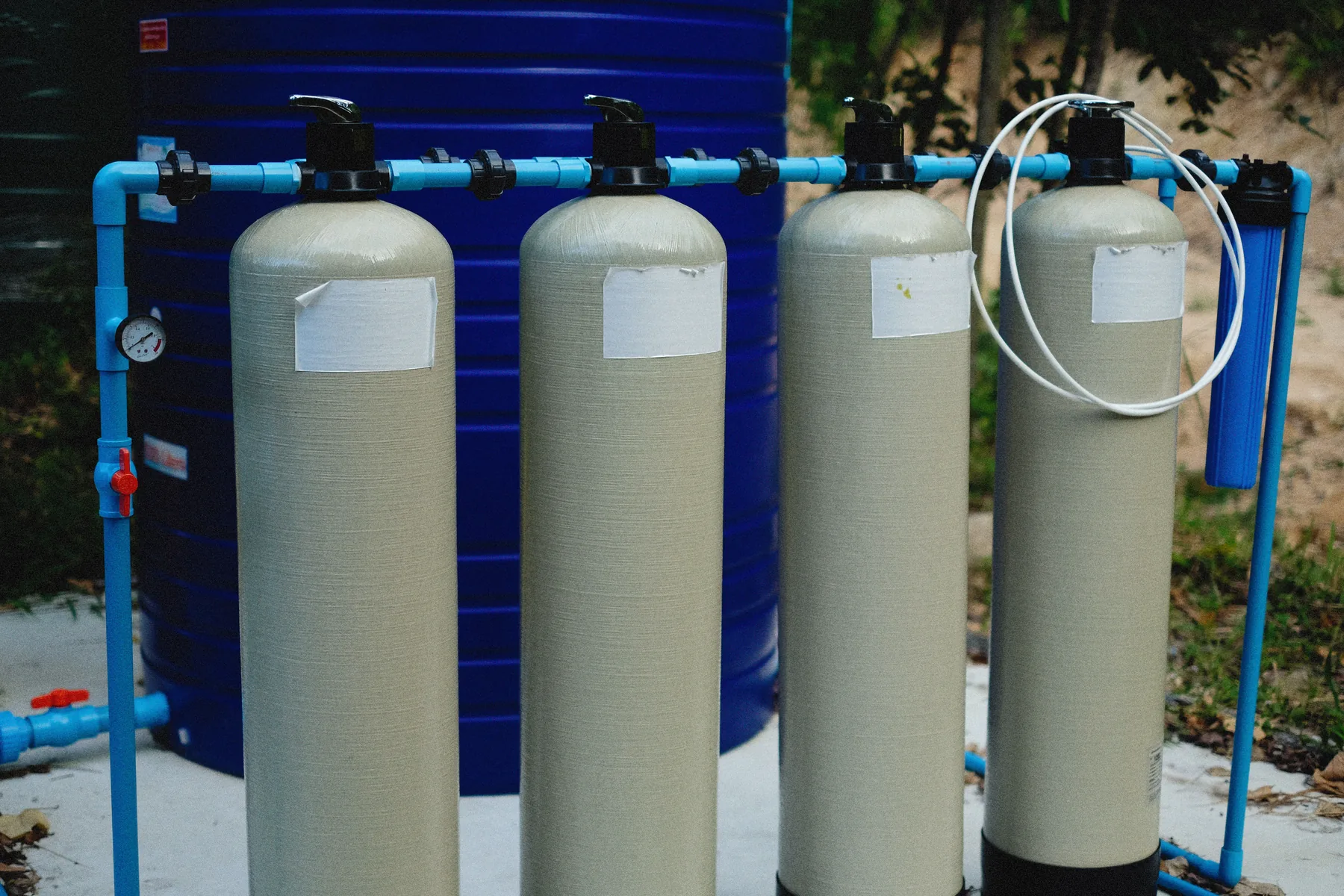
A purifier can combine multiple stages: sediment filtration, activated carbon, RO membrane, UV chamber, UF membrane, remineralisation or other model-specific stages.
Which stages are appropriate depends on the water source and water-quality information. This page is general guidance, not a substitute for laboratory testing or the manufacturer’s instructions.
Discuss Your Water SourceCapabilities vary by product design. Always verify the specifications of the exact purifier model you are considering.
RO membranes are used to reduce dissolved substances in suitable applications. Recovery rate, reject water, membrane performance and post-treatment vary between models.
UV treatment is used for microbial disinfection when water clarity, dose and equipment condition are appropriate. UV does not remove dissolved salts.
UF membranes physically filter very fine particles and microorganisms depending on pore size, but they do not remove dissolved salts in the way RO does.
Sediment stages help capture visible/fine particulate matter and can protect downstream components. Cartridge grades and replacement intervals vary.
Carbon stages can reduce chlorine, taste, odour and certain organic compounds depending on design, contact time and water conditions.
Combination systems integrate technologies, but more stages do not automatically mean a better fit. Evaluate the incoming water and exact model specification.
Your enquiry becomes more specific and reduces the chance of selecting an unsuitable system.
Municipal, borewell, tanker or mixed.
Recent values if available, with test context.
Approximate household/workplace requirement.
Wall/under-sink space, water line, drain and power.

